Andon Cord Software Practice Misreads How Toyota Works
Toyota's andon cord rarely stopped the line, and it summoned help in seconds. What the real mechanics teach ops teams about escalation and cheap signals.
Quick Answer
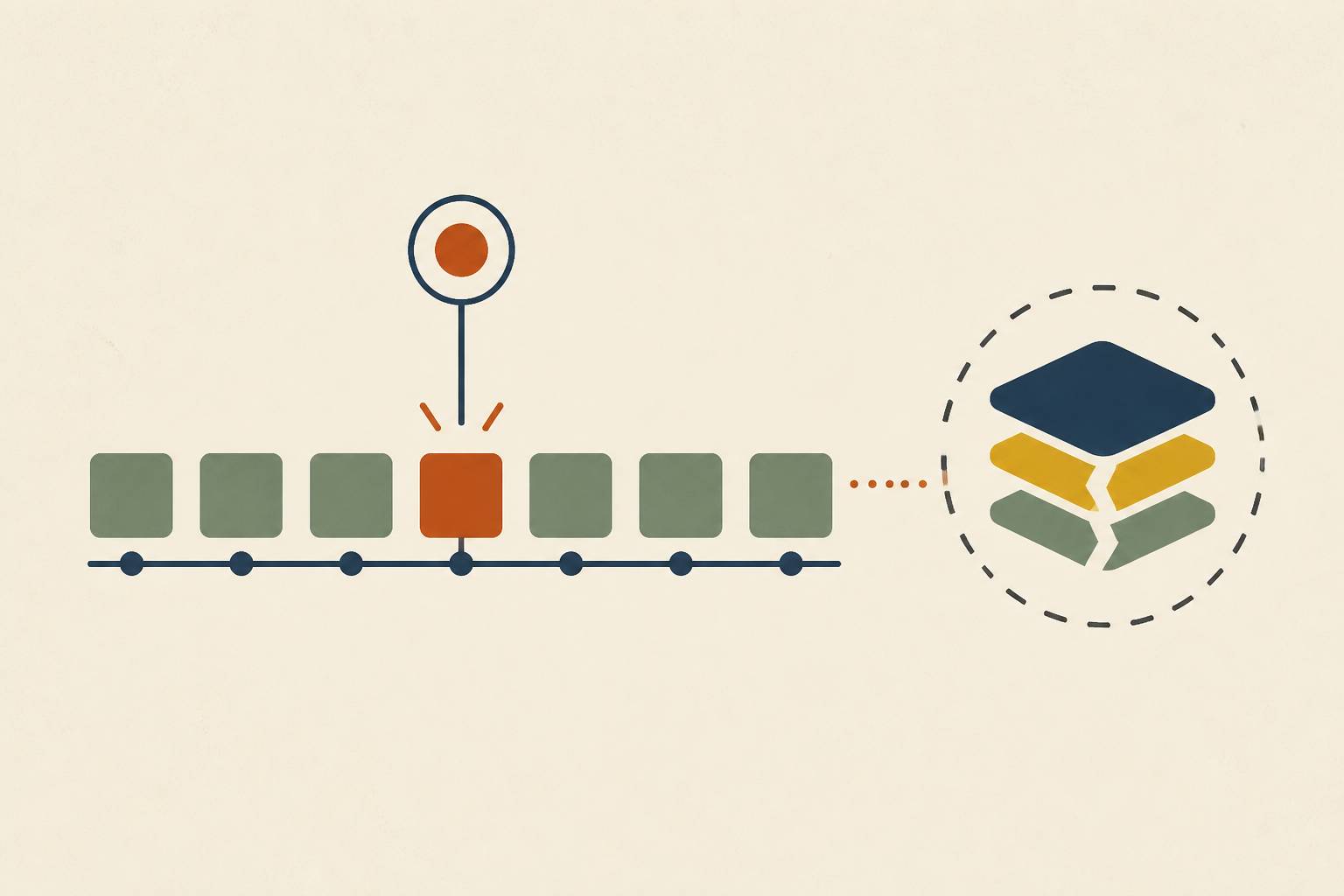
The andon cord in popular DevOps stories stops the whole line. At Toyota, according to lean practitioner Mark Graban, pulling it sounds an alarm and the line continues to the next fixed position while a team leader responds within seconds. The line stops only if the problem is unresolved. Software teams should copy the cheap signal and the fast response, not the blanket freeze.
For years, software leaders have held up the Toyota Production System as the gold standard for quality. We have all heard the story of the assembly worker who spots a defect, pulls a cord and halts a huge factory. That story became a blueprint for incident handling, from stop the line culture to deploy freezes and change advisory boards.
Recent corrections from the lean community suggest the blueprint copies a version of the andon cord that does not exist at Toyota. In this essay we compare the story with the mechanics and say what operations teams should take from the difference.
The Story Software Tells About the Cord
John Willis's piece on the Andon Cord at IT Revolution states the DevOps version plainly. "The pull actually stopped the line. As the story goes, anyone could pull the Andon Cord anytime." It is a story about authority and psychological safety, and we find it a powerful one.
In software it has turned into practices such as a blanket deploy freeze when a bug is found, halting a shared release train for one team's defect, or manual sign-off for every change. Those practices aim at stability. We think they often produce brittle systems, because a stop that is disruptive and expensive makes people hesitate to raise concerns until they are sure a catastrophe is unfolding.
What Actually Happens When the Andon Cord Is Pulled
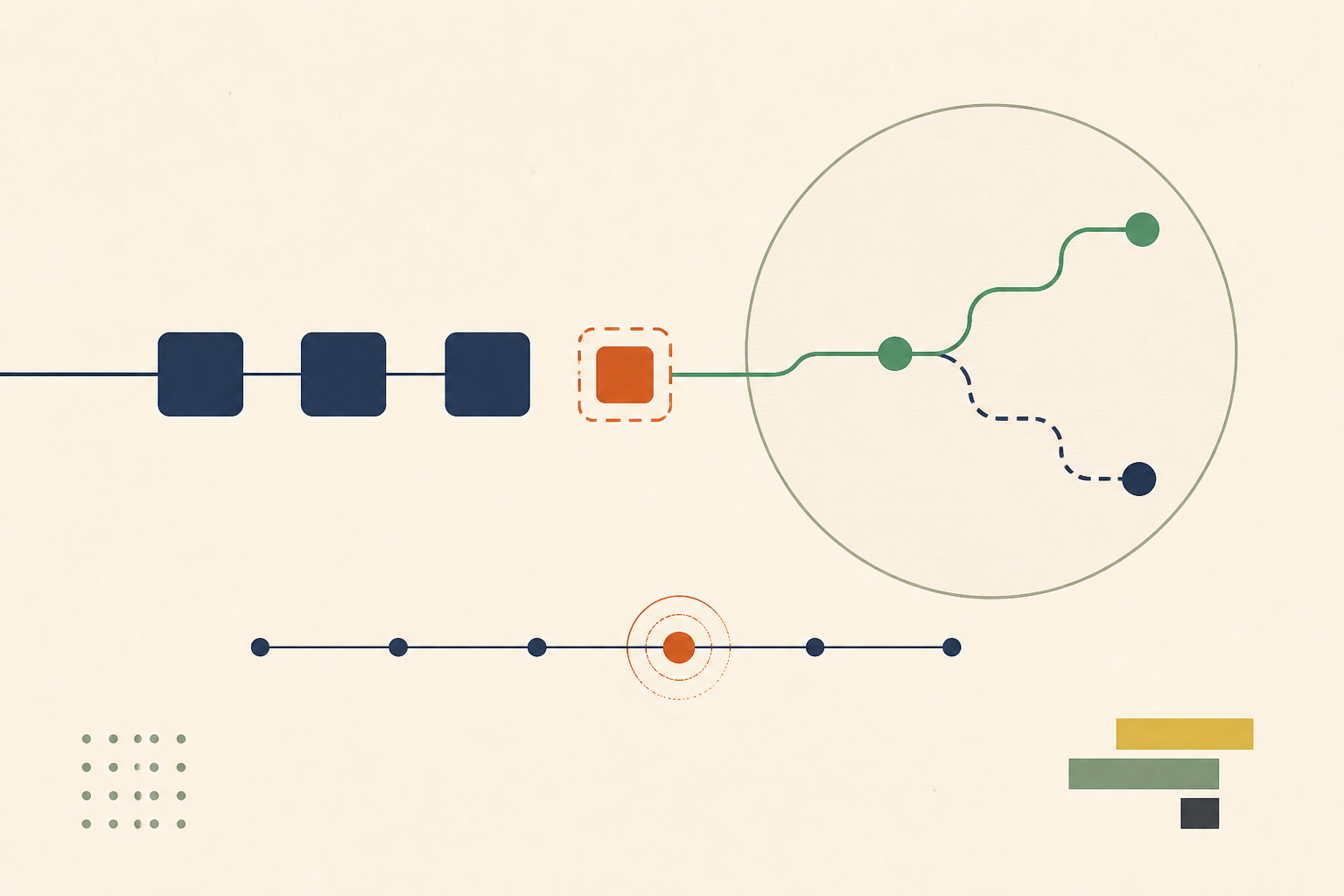
Mark Graban's June 2026 article on the stop the line myth describes the mechanics. "Pulling the cord sounds an alarm and turns on a yellow light. The line continues to the next fixed position."
A team leader has roughly 5 to 30 seconds to respond, according to Graban. If the problem is solved within that window, the line never stops. If it is not, the line halts at that fixed position only, not across the factory. He adds that small buffers at line turns, around ten minutes in total, stop one segment's halt from freezing the whole plant.
Key Takeaway. The genius of the andon cord is not the stop. It is making the signal nearly free and the response nearly instant, so that an actual stop becomes a rare escalation and not the default action.
Graban's own phrasing is the most useful for us. "Every piece of the design assumes that when a worker signals a problem, someone is coming, fast, to help solve it."
Five Thousand Pulls a Day
The frequency of signals is a better health metric than the frequency of failures. A Gemba Academy post, How many times do you pull the andon cord each day, cites a Toyota Kentucky plant tour and quotes the number directly. "Five thousand times per day. That's what it takes to build 2,000 vehicles per day at a 55 second take time."
That is the opposite of a rare, dramatic stop. To us it shows that a pull is a routine request for an expert second opinion, and that a culture where signals are cheap generates many of them. When signalling is cheap, the signal rate rises and the number of full stops falls.
The Mistranslation and What It Costs
When software teams cite the andon cord to justify blanket freezes, they borrow the dramatic half of the story and leave out the response system. If raising a concern triggers a freeze or a long incident call with dozens of people, employees will ration their signals.
Problems then go unreported because the remedy hurts more than the suspected defect. We call the result a signal desert, where leaders hear about problems only when they are already outages. Our notes on code yellow as a lagging indicator describe a related escalation that arrives late for the same reason.
Redesigning the Andon Cord for Operations
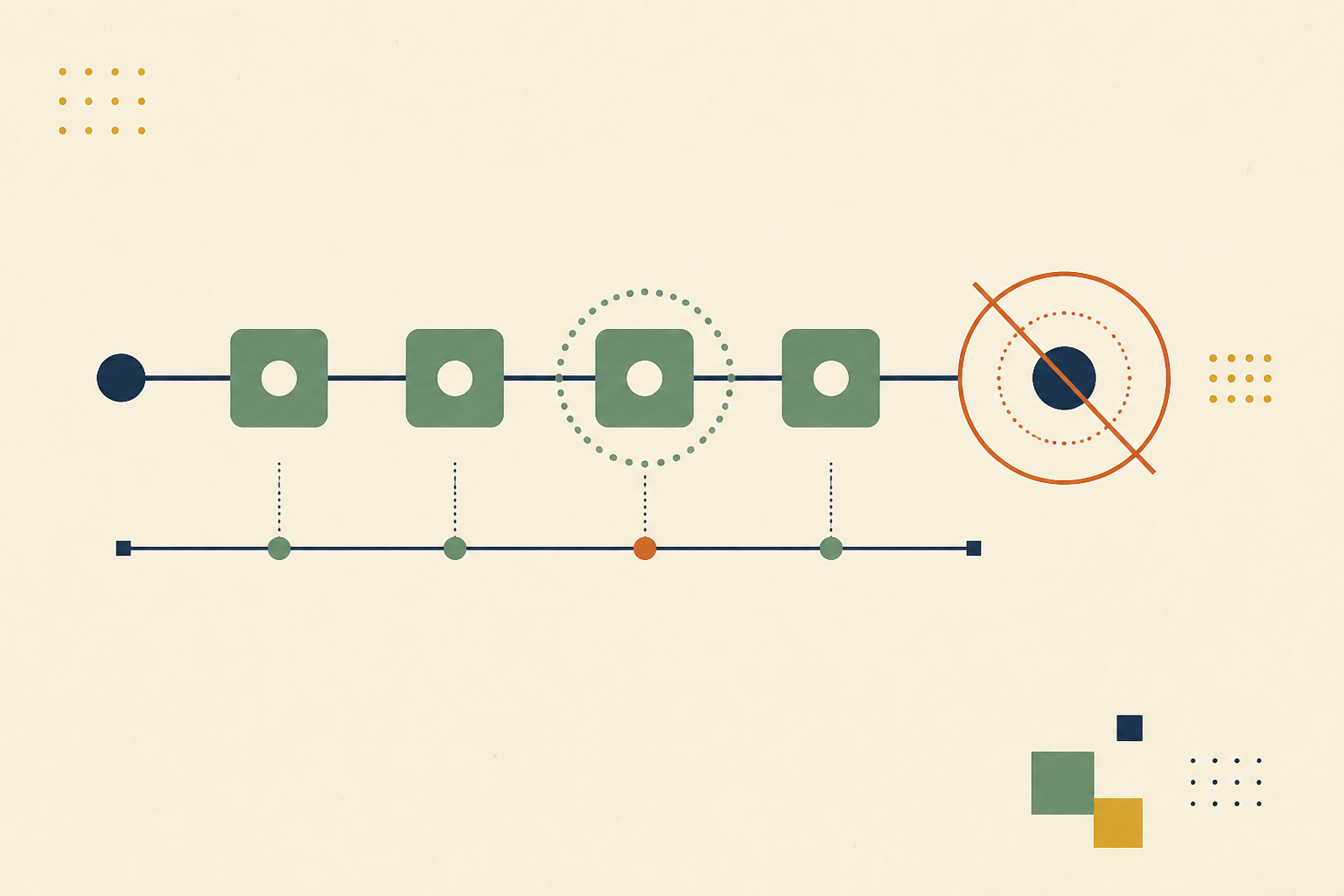
To fix escalation design we separate the signal from the stop. We would make three changes.
1. Make Raising a Concern Nearly Free
Anyone, including support staff and junior engineers, should be able to start an investigation without being the person who stopped the line. A concern is a question, and questions should be cheap.
2. Make the First Response an Investigation
The Toyota team leader arrives within seconds. In operations the equivalent is evidence gathering that starts at once. This is a place where dedicated AI agents can bring the relevant evidence together across the environment, and where an investigation can start from a question asked in Slack or Microsoft Teams.
3. Stop Only on Confirmed Risk
Moving from investigation to a freeze or a rollback should be a deliberate escalation based on the evidence gathered in the first minutes. The freeze becomes the rare outcome, as the line stop is at Toyota. Our piece on escalation metrics and answerability rate shows how to tell whether an escalation was needed.
When Stopping the Line Is Still the Right Call
None of this means a stop is never right. If a defect corrupts data, exposes customers or cannot be contained by a fast response, stopping the release train is the correct decision, and we would make it quickly.
The point is the order. Signal first, investigate within seconds, stop when the evidence says the risk is real. Teams with incident command practice have a version of this structure, and our analysis of the incident commander doctrine software only half borrowed covers it.
The analogy has limits too. A factory has fixed positions and physical buffers, and software pipelines usually do not. We would add equivalents, such as feature flags and staged rollouts, before copying the idea of a bounded stop.
What Your Pull Rate Says About Your Organisation
If your team has not pulled the cord on a production concern this week, we doubt your code is perfect. It is more likely that your cord is too expensive to pull. Leaders should instrument their ask rate. Are people asking for verification, and are they flagging telemetry that looks odd but is not yet an alert?
- How many concerns did people raise last month, counting questions and odd telemetry as well as alerts?
- How long did the first useful response take, from the raising of the concern to the first evidence?
- How many of those concerns ended in a freeze, and how many in a quiet fix?
If the answer to the first question is nothing, the escalation design is silencing people. Lowering the cost of the signal and providing a fast, evidence-based response moves a team from paralysing freezes to steady, high-speed quality.
Make the Signal Cheap and the Response Fast
The andon cord software teams admire is a cheap signal with a fast response, and a stop only when the risk is confirmed. Copy that structure and drop the blanket freeze.
We would start by counting how many concerns your team raised last month and how long the first response took. If you want an investigator that starts when someone asks, Operate runs dedicated AI agents that investigate production problems with cited evidence and propose fixes for your team to review.
Frequently Asked Questions
We describe it as a signalling device on a production line that a worker uses to make a problem visible. According to Mark Graban, pulling it sounds an alarm and a yellow light, and a team leader responds within seconds while the line continues.
Not immediately, according to Graban. The line moves to the next fixed position, and it stops there only if the team leader has not resolved the problem. We read the common claim that one worker stops the whole factory as an oversimplification.
A Gemba Academy post citing a Toyota Kentucky plant tour gives a figure of about five thousand pulls a day for 2,000 vehicles. We take that to mean pulls are routine, cheap and expected, not rare emergencies.
It is often used for stopping a release or freezing deploys when anyone spots a problem. John Willis's version says that anyone can pull the cord at any time. We think the Toyota mechanics point to cheaper signals and faster responses instead.
Only when the risk is confirmed. We would start with a quick investigation and contain the problem with a flag or a staged rollout where we can. A blanket freeze for every concern teaches people to stop raising concerns.
About the author

Operate Team
The team behind Operate
Operate Team builds Operate, enterprise AI agents for production operations. Operate answers production questions from Slack and Microsoft Teams, investigates alerts, and reviews performance, security and cost. It finds the root cause with evidence and proposes a fix for an engineer to review, with controlled access to your systems.